AIIM for innovation.
AIIM for opportunity.
AIIM for leadership.
News and Announcements
What AI is teaching us about the human mind
Chandra Sripada assumed the brain’s fast and slow thinking was hard-wired by evolution. Then similar structure turned up in AI systems. Richard Lewis and Sripada are using that convergence to test theories of the mind. Read how U-M cognitive scientists are treating large language models as evidence about human thinking, not just technology.
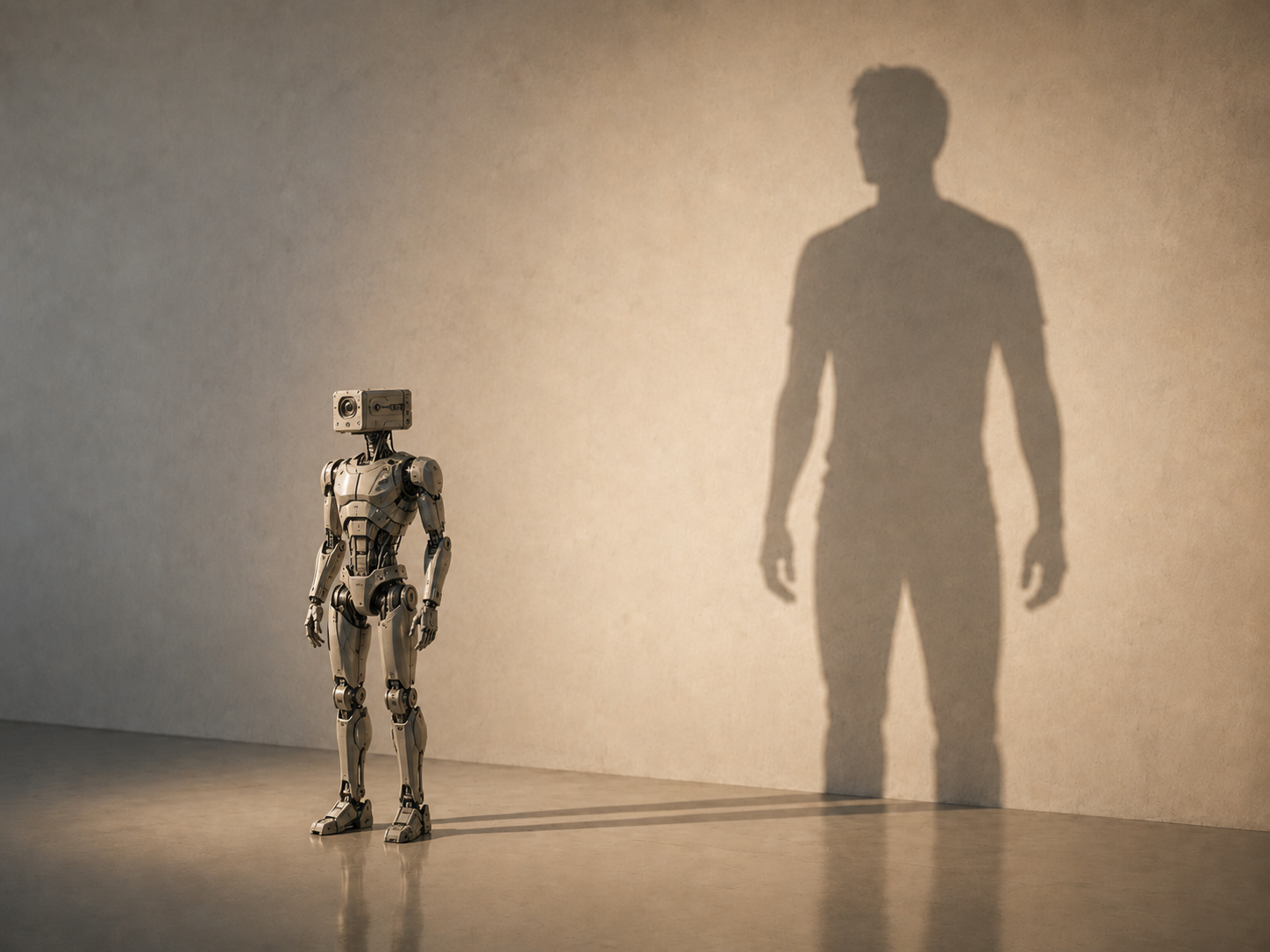
The Humanities in the Age of AI
U-M was the first major U.S. university to launch its own secure generative AI tools. Historian Jason Young offers the humanist’s perspective on the importance of “slow thinking” and the risks of outsourcing our judgment, opinions and convictions to machines.
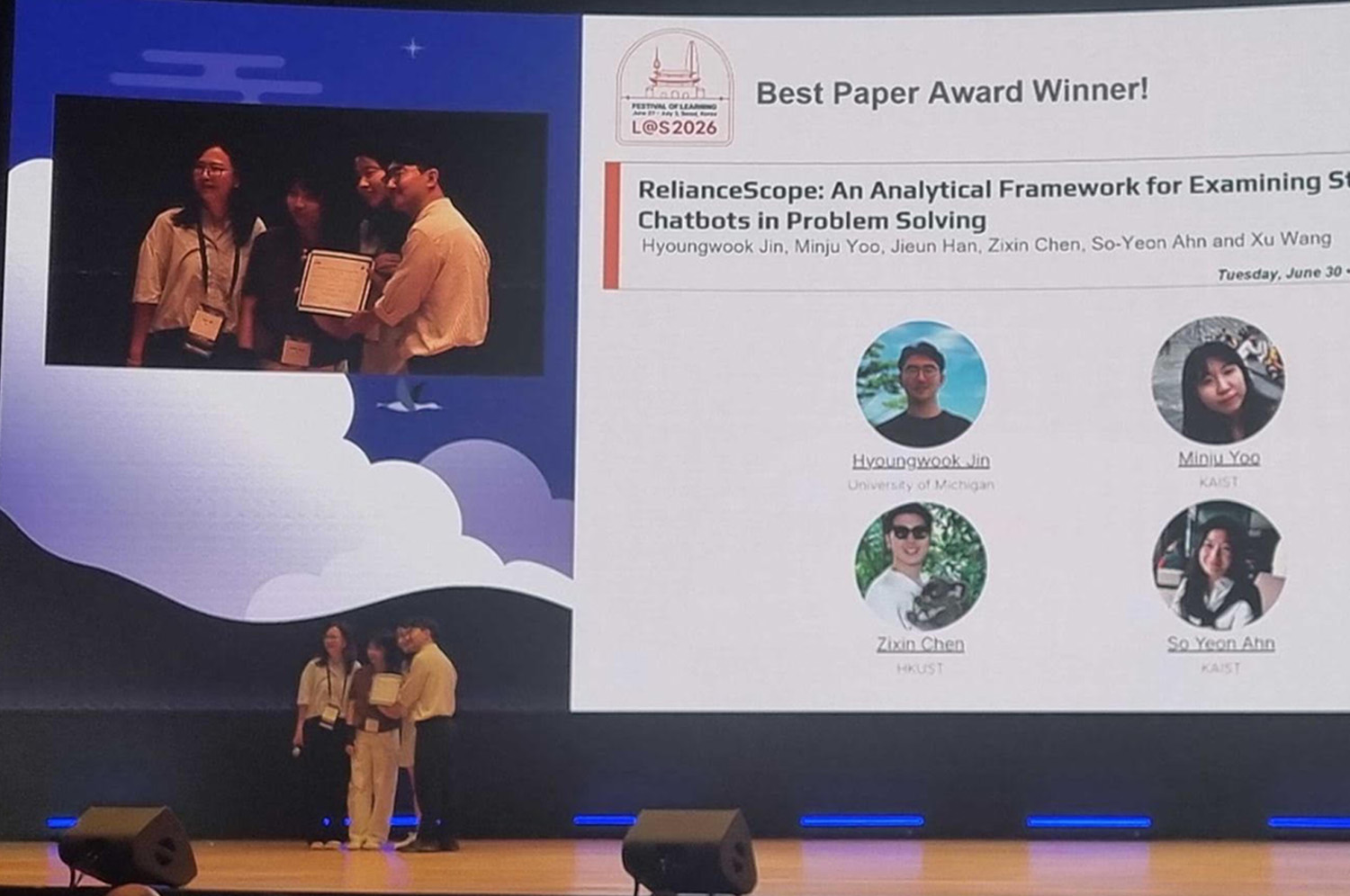
CSE researchers win Best Paper Award at Learning at Scale 2026
They were recognized for their research exploring how students rely on generative AI chatbots during problem-solving.
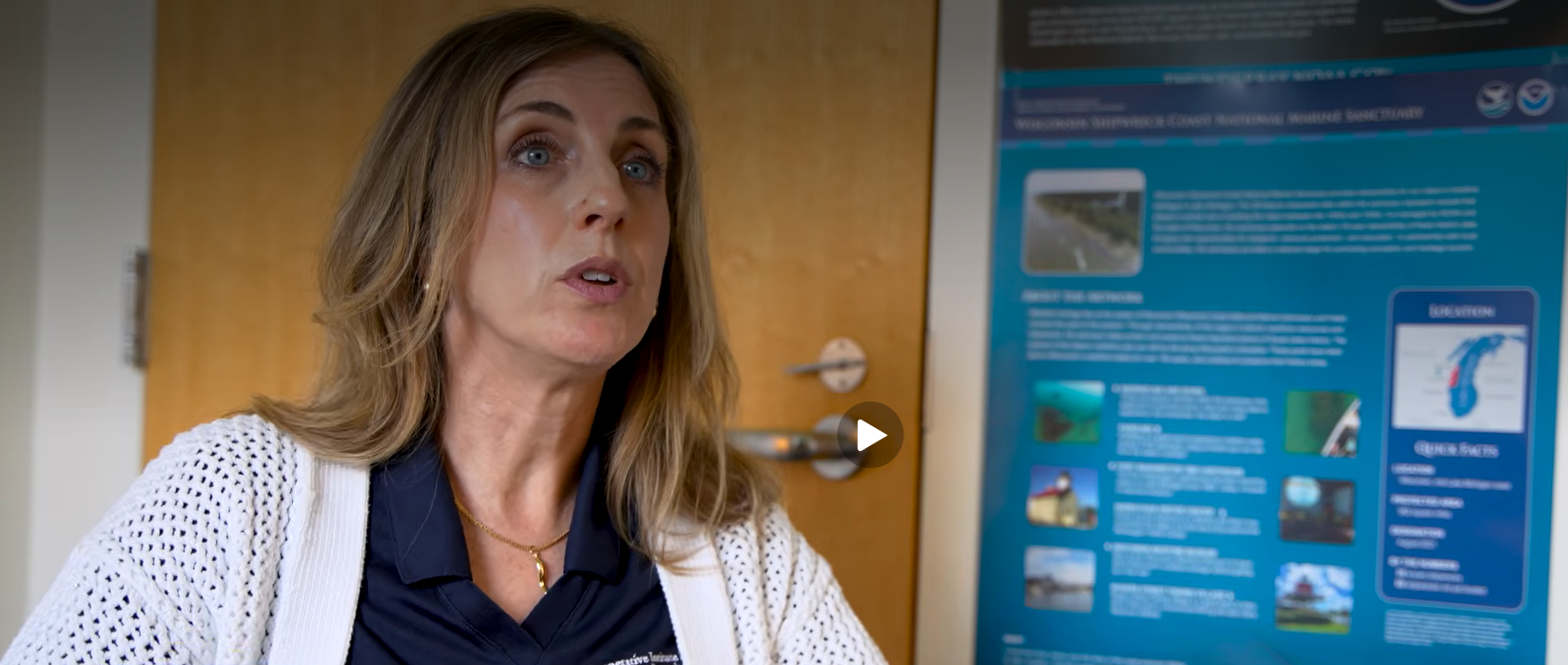
Better Great Lakes forecasts: U-M and NOAA pair AI with human judgment
The forecasts that guide life on the Great Lakes—water-quality alerts, navigation, algal bloom warnings—are only as good as the science behind them. Through a five-year, $53 million NOAA partnership, U-M and federal scientists are training the next generation to forecast the lakes with human judgment at the center.
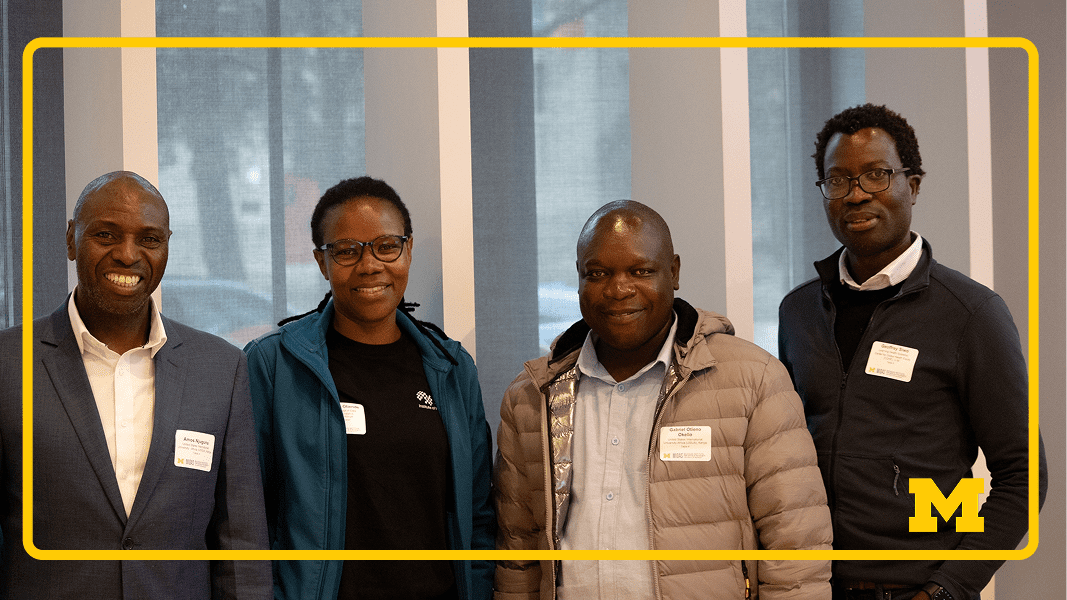
AI model helps predict heat risk in Kenya’s informal settlements
Heat waves hit hardest in places with the fewest defenses — Kenya’s informal settlements. Verrah Otiende, a MIDAS African Faculty Fellow at U-M, is building AI maps that show exactly who’s at risk, block by block. Read more about using AI to predict heat risk where it matters most.
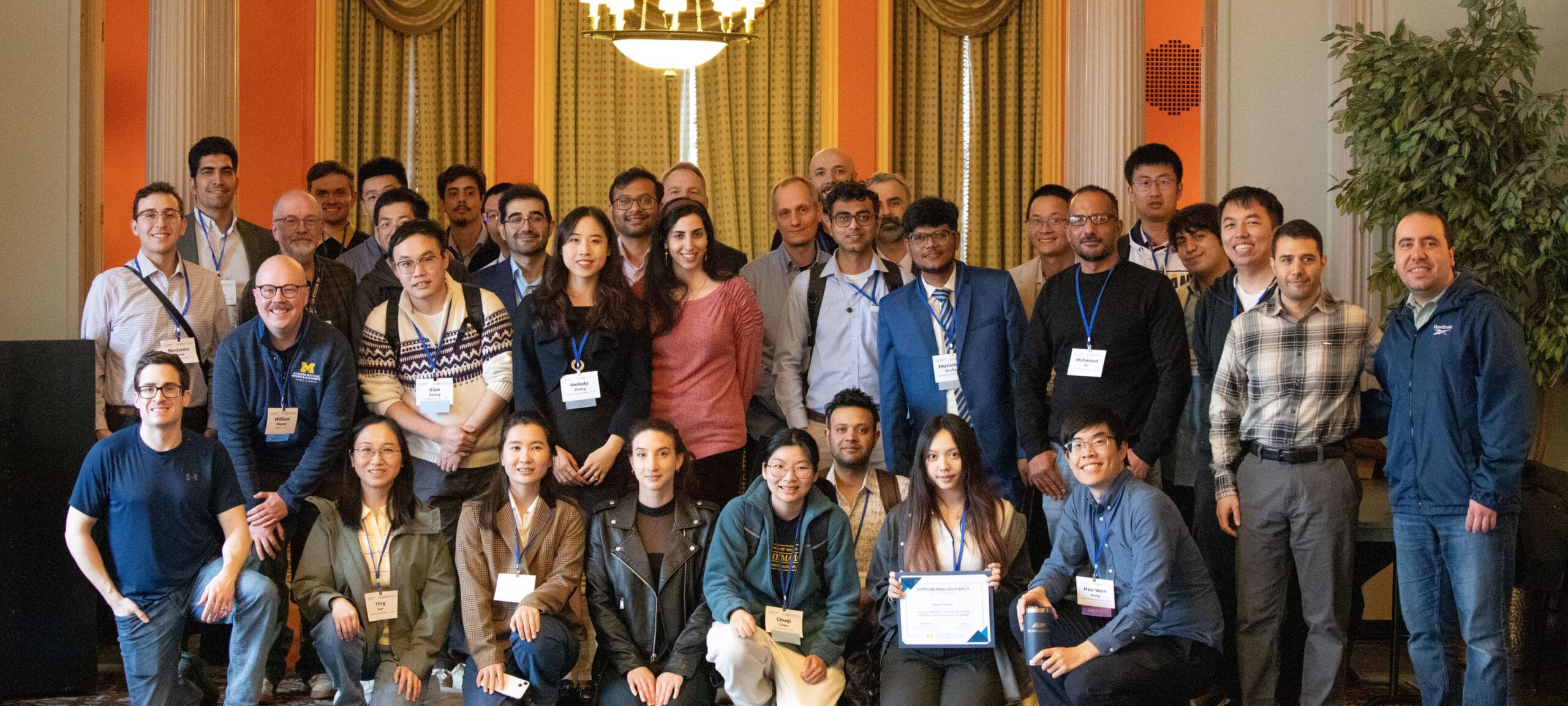
AIIM awards 86 research teams for innovative uses of AI
The AI Institutes at Michigan has awarded 86 researchers and teams across the University of Michigan through its Empowering Research with AI Awards. The awards recognize their use of artificial intelligence to advance knowledge or practice in research fields.
U-M bets that the right match is where health AI innovation begins
A new U-M program is cutting through years of missed connections by pairing clinical researchers with AI specialists in weeks, then funding what they build together. Read more about the match-first model behind Michigan’s health AI innovation bet.
Forging a path to scalable, sustainable computing
Every AI breakthrough comes with a hidden cost: energy, water and resources. U-M computer scientists are attacking the problem from every angle, from chips that waste less silicon to software that cuts training energy use by half.
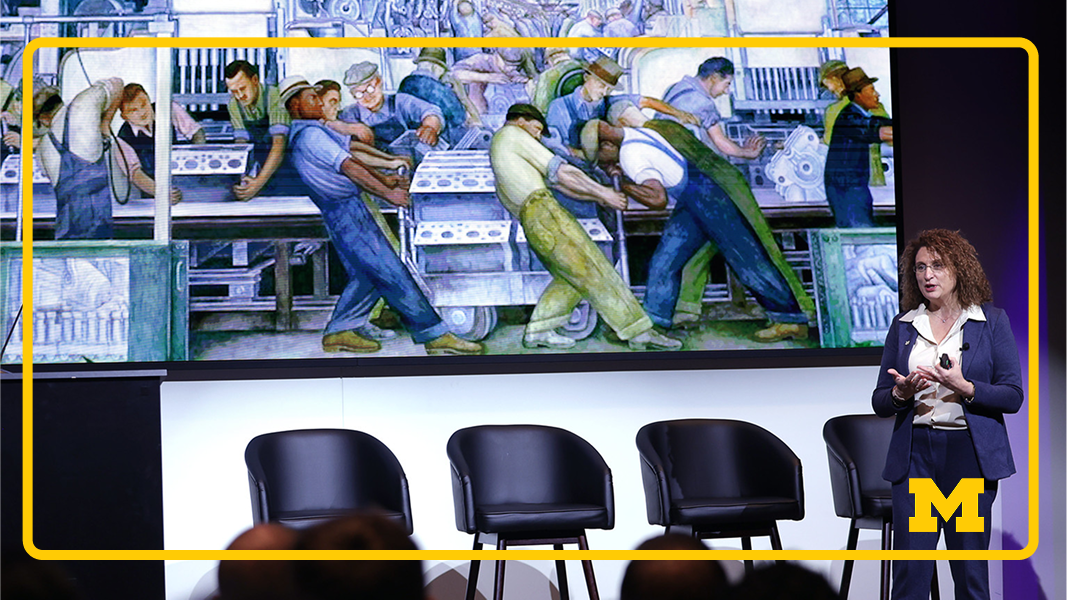
A faster path to finding life-saving medicines
U-M chemist Charles Brooks is using computational shortcuts and AI to test thousands of drug candidates at once, turning a process that once took months into days and boosting success rates a thousandfold.
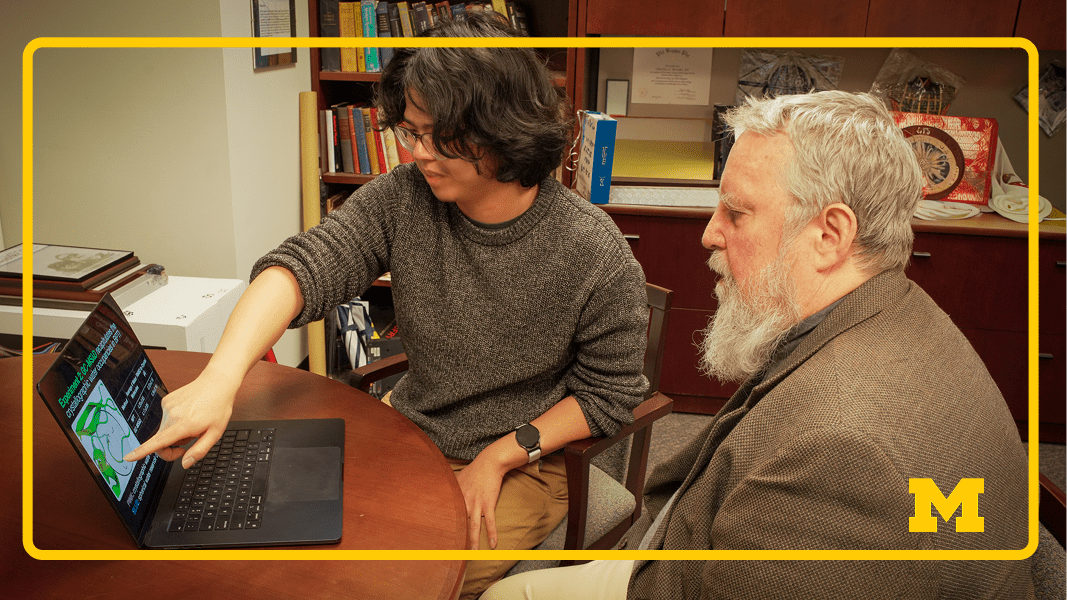
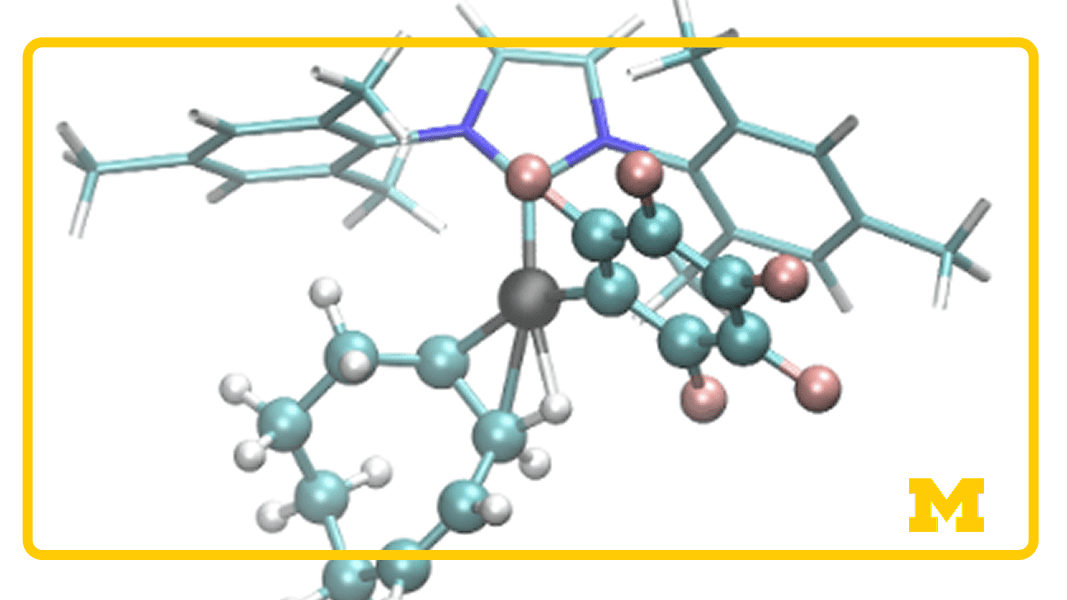
Considering the particulars: how AI can help advance chemical system research
An expert chemist might recognize about 1,000 chemical bonds in a lifetime. U-M researcher Paul Zimmerman is building AI tools trained on data sets that can identify hundreds of thousands in months, accelerating discovery across industries.